

In Mexico, Día de los Muertos, or Day of the Dead, transforms the idea of death into something breathtaking, colorful, emotional, and deeply spiritual. Rather than hiding from grief, families gather to remember loved ones with flowers, candles, music, food, stories, prayers, and beautifully decorated altars.
From candlelit cemeteries to joyful street celebrations, Día de los Muertos creates a haunting magic unlike any other tradition in the world. It is mysterious, but not hopeless. It is filled with skulls and graves, but also laughter, color, love, and remembrance.
For HauntedDesigns.com, this celebration offers extraordinary inspiration for gothic art, haunted décor, spiritual symbolism, and emotional storytelling.
The Meaning Behind Día de los Muertos
Día de los Muertos is a Mexican tradition that honors loved ones who have passed away. Celebrated mainly on November 1 and November 2, the holiday is rooted in Indigenous Mexican beliefs and later blended with Catholic observances such as All Saints’ Day and All Souls’ Day.
The central belief is that during this special time, the spirits of the departed may return to visit their families. Rather than fearing the dead, families welcome them home with offerings, decorations, and memories.
Cemeteries Filled With Light
One of the most hauntingly beautiful parts of Día de los Muertos in Mexico is the cemetery gathering. Families clean and decorate graves with marigolds, candles, photographs, food, and personal objects.
At night, the cemetery becomes a glowing place of remembrance:
- Candles flicker across grave markers
- Marigold petals form golden pathways
- Families sit together beside loved ones
- Music, prayers, and stories fill the air
- Photographs and flowers turn graves into sacred memorials
Instead of feeling cold or forgotten, the cemetery becomes warm, alive, and filled with love.
The Ofrenda: A Bridge Between Worlds
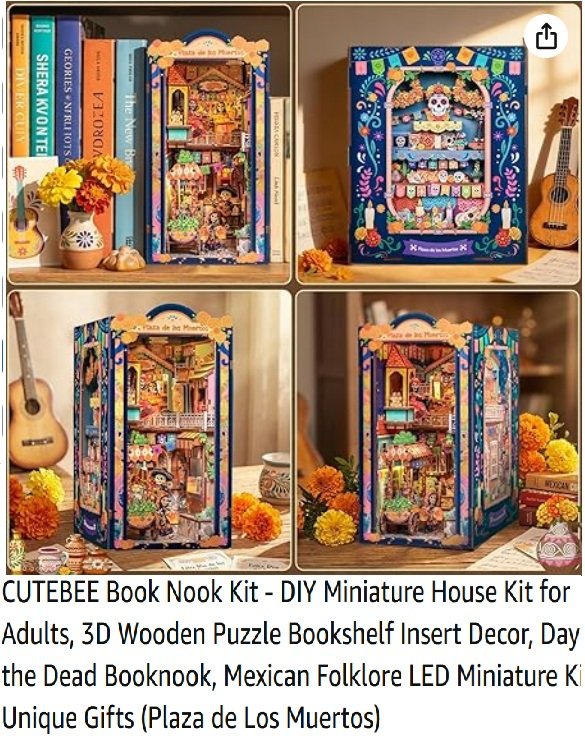
At the heart of Day of the Dead celebrations is the ofrenda, or altar. Families create these altars to welcome the spirits of loved ones back to the world of the living.
A traditional ofrenda may include:
- Photographs of deceased family members
- Marigold flowers
- Lit candles
- Favorite foods and drinks
- Sugar skulls
- Pan de muerto
- Water, incense, and religious symbols
Each item is chosen with care. Together, they create a sacred path of memory, guiding the souls home.
Marigolds: The Flowers That Guide Spirits
Marigolds, known in Mexico as cempasúchil, are among the most important symbols of Día de los Muertos. Their bright orange color and strong fragrance are believed to help guide spirits back to their families.
The flowers are placed on altars, scattered across graves, woven into garlands, and used to create glowing pathways. Against the darkness of night, marigolds bring warmth, beauty, and spiritual symbolism.
Sugar Skulls and the Beauty of Mortality
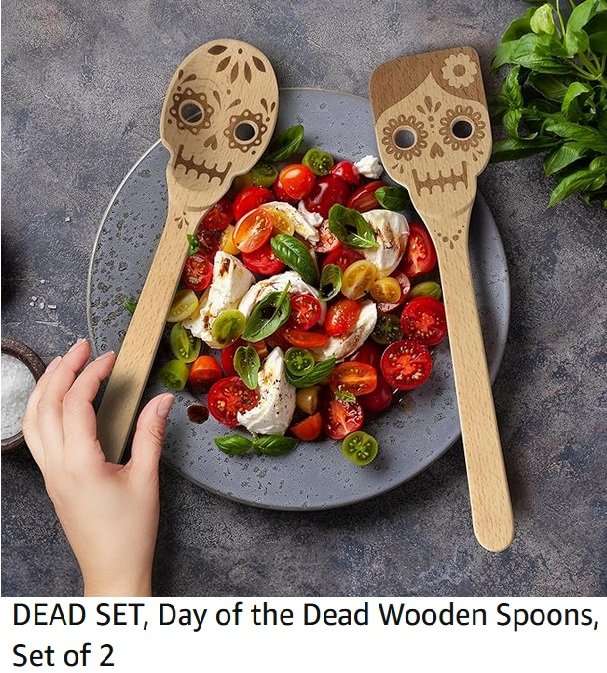
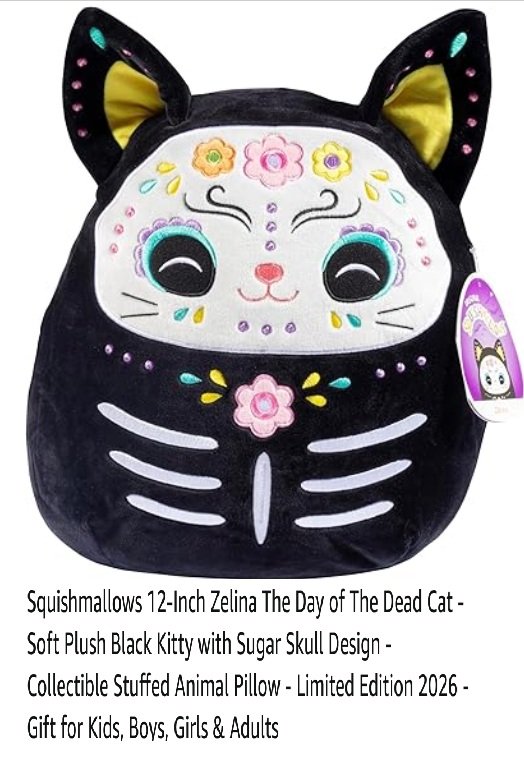
Sugar skulls, or calaveras, are colorful skull decorations that represent the acceptance of death as part of life. Unlike frightening skull imagery, Day of the Dead sugar skulls are joyful, decorative, and full of personality.
They may be decorated with flowers, bright icing, patterns, glitter, and names. Some are placed on altars to honor specific loved ones, while others are used as artistic reminders that life should be celebrated.
La Catrina: Elegance in the Face of Death
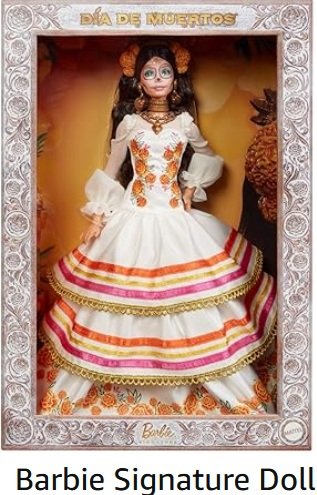
La Catrina, the elegant skeletal woman often shown wearing a dramatic hat or formal dress, has become one of the most recognizable images of Día de los Muertos.
Her image reminds people that death comes to everyone equally. At the same time, she transforms death into something graceful, artistic, and unforgettable.
For haunted and gothic design, La Catrina offers a perfect blend of beauty, mystery, and mortality.
Street Celebrations and Festival Energy
While cemetery vigils and family altars are deeply personal, many Day of the Dead celebrations also include public parades, music, dancing, art, and community gatherings.
Streets may be filled with:
- Painted faces inspired by sugar skulls
- Traditional costumes
- Marigold arches
- Skeleton dancers and musicians
- Colorful papel picado banners
- Food vendors and handmade art
This festive energy shows that Día de los Muertos is not only about mourning. It is also about celebrating the lives of those who came before.
The Haunting Magic of Memory
What makes Día de los Muertos so powerful is the way it turns memory into ritual. A photograph becomes a doorway. A candle becomes a guide. A flower becomes a path. A favorite meal becomes an invitation.
The holiday teaches that remembrance is an act of love. As long as stories are told and names are spoken, the dead remain part of the family.
This emotional depth is what gives Day of the Dead its haunting magic.
Design Inspiration From Día de los Muertos
For artists, decorators, and gothic design lovers, Día de los Muertos offers a powerful visual language. Its symbols can inspire haunted décor that feels meaningful rather than simply frightening.
Design ideas inspired by the celebration include:
- Candlelit altar displays
- Marigold wreaths and pathways
- Decorative sugar skull wall art
- La Catrina portraits
- Gothic cemetery scenes
- Black lace mixed with vivid flowers
- Warm amber lighting and antique textures
The most beautiful designs honor the cultural roots of the holiday while embracing its mysterious visual atmosphere.
Respecting the Culture Behind the Celebration
Día de los Muertos is not simply a Halloween theme. It is a sacred Mexican tradition connected to family, ancestry, remembrance, and spiritual belief.
When using Day of the Dead imagery in haunted or gothic design, it is important to do so with respect. The skulls, flowers, candles, and altars are meaningful symbols, not just spooky decorations.
Respectful inspiration celebrates the beauty of memory and the emotional heart of the tradition.
Final Thoughts
From glowing cemeteries to joyful celebrations, Día de los Muertos in Mexico reveals a powerful truth: death does not erase love. Through candles, marigolds, sugar skulls, music, food, and stories, families keep the memory of loved ones alive.
For HauntedDesigns.com, the haunting magic of Day of the Dead offers endless inspiration for art, décor, storytelling, and gothic beauty rooted in meaning.
It is a celebration where cemeteries glow, spirits are welcomed, and memory becomes a light that never fully fades.
Day Of The Dead Related Articles