

Click Here To Watch Video
Mexico’s Día de los Muertos, or Day of the Dead, is one of the world’s most meaningful and visually stunning cultural celebrations. Filled with glowing candles, marigold flowers, painted skulls, elegant skeletons, and sacred altars, the holiday creates a mysterious atmosphere rich with symbolism and emotion.
To outsiders, some of the imagery may appear spooky or gothic, but every symbol within Day of the Dead traditions carries a deeper spiritual meaning. Rather than celebrating fear or darkness, Día de los Muertos honors memory, family, ancestry, and the eternal connection between the living and the dead.
For HauntedDesigns.com, the symbols of Day of the Dead offer endless inspiration for hauntingly beautiful art, décor, and storytelling rooted in ancient tradition.
The Spiritual Meaning of Sugar Skulls
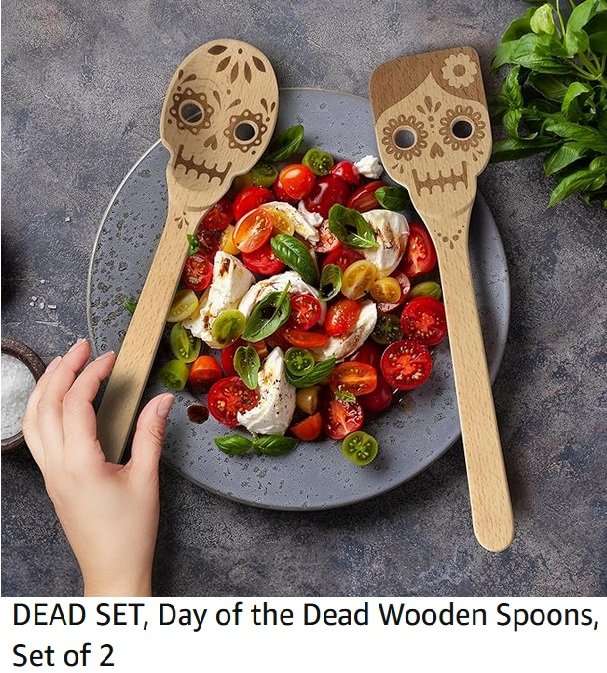
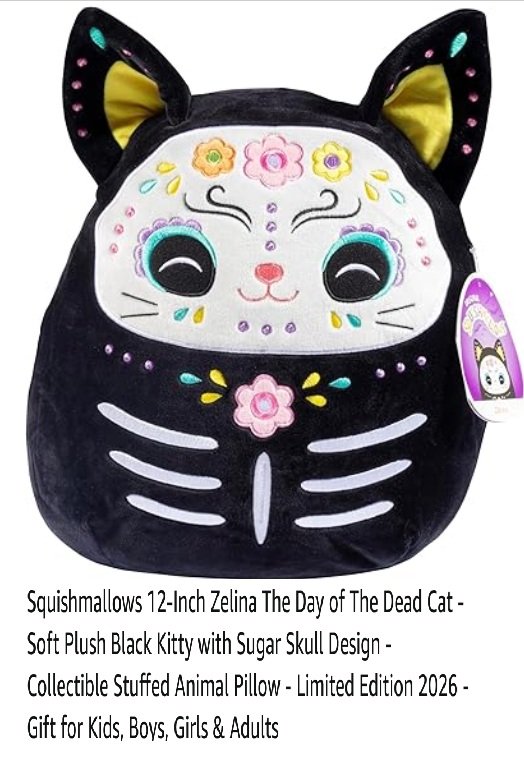
Sugar skulls, known as calaveras, are among the most recognizable symbols of Day of the Dead. These colorful skulls are often decorated with flowers, hearts, swirls, candles, glitter, and bright paint designs.
Despite their playful appearance, sugar skulls carry a profound message: death is part of life, not something to hide from. In Mexican tradition, the skull reminds us that life is temporary, but love and memory continue beyond death.
Families may place sugar skulls on altars to honor loved ones who have passed away. Some skulls even include the name of the deceased written across the forehead, turning the decoration into a deeply personal tribute.
Why Skulls Are Celebrated Instead of Feared
In many cultures, skull imagery represents fear or danger. But during Día de los Muertos, skulls are transformed into symbols of celebration, remembrance, and acceptance.
The colorful decorations remind people not to fear mortality. Instead, Day of the Dead encourages families to remember ancestors with joy, laughter, music, stories, and beauty.
This unique perspective is part of what makes Day of the Dead aesthetics so powerful for gothic and haunted design themes. The imagery is mysterious and spiritual without becoming hopeless or terrifying.
Marigolds: Flowers That Guide Spirits Home
The vibrant orange marigold flower, called cempasúchil, is another important Day of the Dead symbol. Ancient beliefs teach that the flower’s bright color and strong scent help guide spirits back to their families during the celebration.
Marigold petals are often scattered along walkways or around altars to create a path for returning souls. Entire cemeteries and homes may be decorated with these glowing flowers during the holiday.
Visually, marigolds create breathtaking contrast against candlelight, dark night skies, and gothic décor. Their golden glow symbolizes warmth, remembrance, and spiritual guidance.
Candles and Spiritual Light
Candles are one of the most emotional symbols used during Día de los Muertos celebrations. Families light candles on altars and gravesites to help spirits find their way home.
The soft flickering light represents:
- Hope
- Guidance
- Love
- Memory
- Spiritual presence
At night, cemeteries illuminated by hundreds of candles create a hauntingly beautiful atmosphere unlike anything else in the world.
The Meaning of Ofrendas
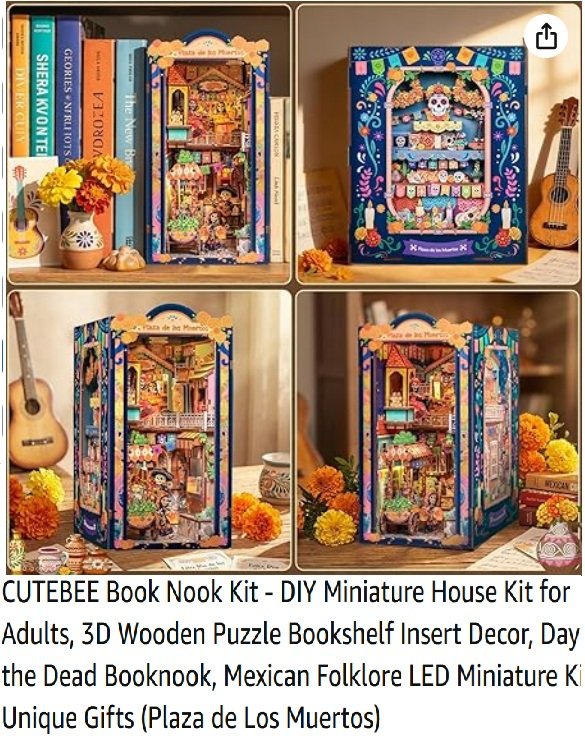
The ofrenda, or altar, is one of the most sacred parts of Day of the Dead traditions. Families build these altars to welcome the spirits of loved ones back into the home.
An altar often contains:
- Photographs of the deceased
- Favorite foods and drinks
- Candles
- Marigolds
- Religious symbols
- Personal belongings
- Incense and water
Every object placed on the altar carries emotional and spiritual significance. Together, they create a bridge between the physical world and the spirit world.
La Catrina: Elegance Beyond Death
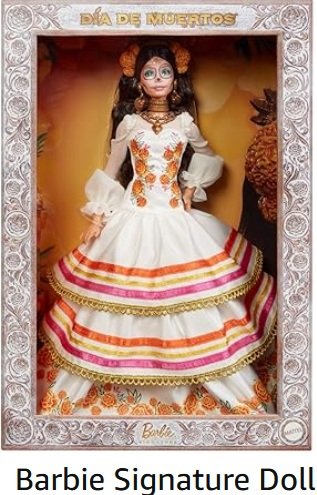
La Catrina is one of the most iconic figures associated with Day of the Dead. Usually portrayed as a stylish female skeleton wearing elegant clothing and a large decorative hat, she symbolizes the idea that death comes to everyone equally.
Originally created as social commentary, La Catrina has evolved into a cultural symbol of beauty, mortality, and timeless elegance.
Today, La Catrina imagery appears in:
- Paintings
- Costumes
- Murals
- Fashion
- Haunted décor
- Gothic-inspired artwork
She remains one of the most visually powerful symbols of Día de los Muertos culture.
Papel Picado and the Fragility of Life
Papel picado, the colorful cut-paper banners used during Day of the Dead celebrations, symbolize both joy and the fragile nature of life itself.
The delicate paper moves with the wind, representing the presence of spirits and the temporary nature of human existence. These banners add movement, color, and festive energy to altars and streets during celebrations.
Food and Offerings for the Departed
Food is another meaningful symbol during Day of the Dead celebrations. Families prepare favorite dishes, drinks, candies, and breads for returning spirits.
One of the most famous foods is Pan de Muerto, or “Bread of the Dead,” a sweet bread often decorated with bone-like shapes.
The offering of food symbolizes hospitality and love. It reflects the belief that family bonds continue even after death.
The Butterfly Symbol
Butterflies are sometimes connected to Day of the Dead traditions because they symbolize transformation, rebirth, and the soul’s journey. In some regions of Mexico, monarch butterflies return during the same season as Día de los Muertos celebrations, strengthening the spiritual connection.
Their appearance adds another layer of beauty and symbolism to the holiday’s imagery.
Why Day of the Dead Symbols Inspire Haunted Design
The symbols of Día de los Muertos blend mystery, emotion, spirituality, and artistic beauty in a way few traditions can match. For haunted design enthusiasts, these elements create inspiration that feels atmospheric rather than frightening.
Designers often draw inspiration from:
- Glowing candlelight
- Elegant skeletal figures
- Vintage cemetery aesthetics
- Marigold pathways
- Decorative skull artwork
- Dark gothic textures mixed with vibrant colors
The result is a visual style that feels both haunted and deeply emotional.
Final Thoughts
The symbols of Mexico’s Day of the Dead are more than decorations. They are powerful reminders of love, memory, mortality, and spiritual connection. Sugar skulls, marigolds, candles, La Catrina, and sacred altars all work together to create one of the world’s most moving cultural celebrations.
For HauntedDesigns.com, Día de los Muertos offers rich inspiration for artistic expression, gothic aesthetics, and haunted beauty rooted in meaning and tradition. Behind every skull and candle is a message that the people we love are never truly forgotten.
Day Of The Dead Related Articles