

Click Here To Watch Video
As darkness falls across ancient cemeteries and candlelight flickers beneath the glow of marigold petals, Mexico’s Día de los Muertos comes alive in breathtaking beauty. Known around the world as the Day of the Dead, this sacred celebration transforms grief into remembrance and silence into storytelling.
For a few magical nights each year, families believe the veil between the living and the dead becomes thin. Spirits return home. Candles guide them through the darkness. Altars overflow with flowers, photographs, favorite foods, and symbols of love that transcend mortality.
For HauntedDesigns.com, the haunting elegance of Día de los Muertos offers endless inspiration—gothic beauty wrapped in spiritual meaning, ancient symbolism, and emotional mystery.
The Sacred Mystery of Día de los Muertos
Unlike traditional horror themes, Día de los Muertos is not about fear. It is about connection. The holiday celebrates the idea that the dead are never truly gone as long as they are remembered.
Rooted in Indigenous Mexican traditions and blended with Catholic influences over centuries, Día de los Muertos is celebrated primarily on November 1st and 2nd. During this time, families prepare for the spiritual return of loved ones by creating altars, decorating gravesites, and sharing stories of those who have passed on.
The atmosphere is emotional, mystical, colorful, and deeply spiritual.
Haunted Altars Filled With Memory
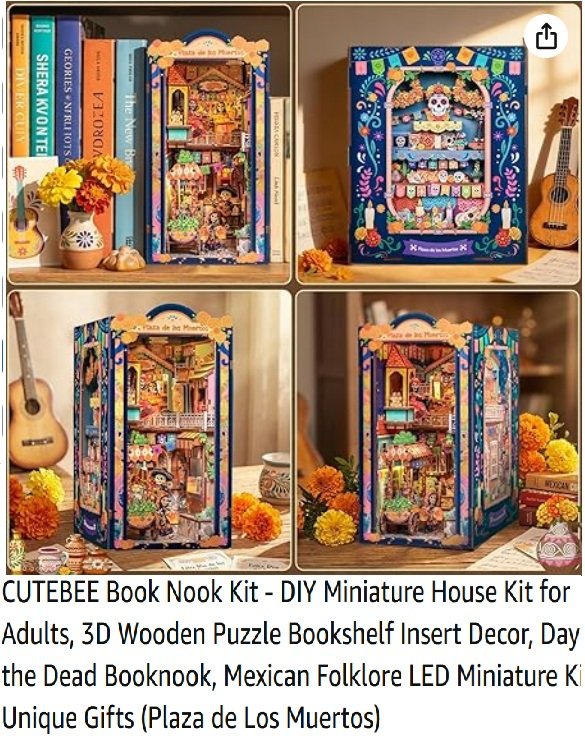
The heart of Día de los Muertos lies within the ofrenda, or memorial altar. These altars are carefully arranged to honor the souls of family members and friends.
Every altar tells a story.
Photographs preserve faces from the past. Candles glow softly through the night. Incense drifts like whispers through the air. Favorite meals are prepared once again for returning spirits. Water is placed to refresh weary souls after their long journey home.
To an outside observer, the altars can appear hauntingly beautiful—like sacred shrines suspended between worlds.
Common elements found on Day of the Dead altars include:
- Lit candles symbolizing spiritual guidance
- Marigold flowers creating pathways for spirits
- Sugar skulls representing remembrance
- Photographs of loved ones
- Favorite foods and drinks of the deceased
- Papel picado decorative banners
- Crosses, saints, and religious symbols
Marigolds: Golden Flowers of the Dead
The vibrant orange marigold flower, known as cempasúchil, is one of the most iconic symbols of Día de los Muertos. Ancient beliefs teach that the flower’s scent and brilliant color help guide spirits back to the world of the living.
Marigold petals are often scattered across pathways, stairways, and cemeteries to create glowing roads for returning souls.
Visually, the flowers create stunning contrast against the darkness of night, especially when illuminated by candlelight. Their golden glow has become one of the defining aesthetics of haunted Day of the Dead design.
Cemeteries Illuminated by Candlelight
One of the most breathtaking scenes associated with Día de los Muertos occurs in cemeteries after sunset. Families gather beside graves, decorating them with flowers, candles, photographs, and offerings.
The atmosphere becomes surreal:
- Hundreds of candles flicker in the darkness
- Soft prayers echo through the night air
- Incense smoke drifts between graves
- Music and laughter mix with silence and reflection
These gatherings transform cemeteries into places of warmth, memory, and beauty rather than fear.
Sugar Skulls and the Celebration of Mortality
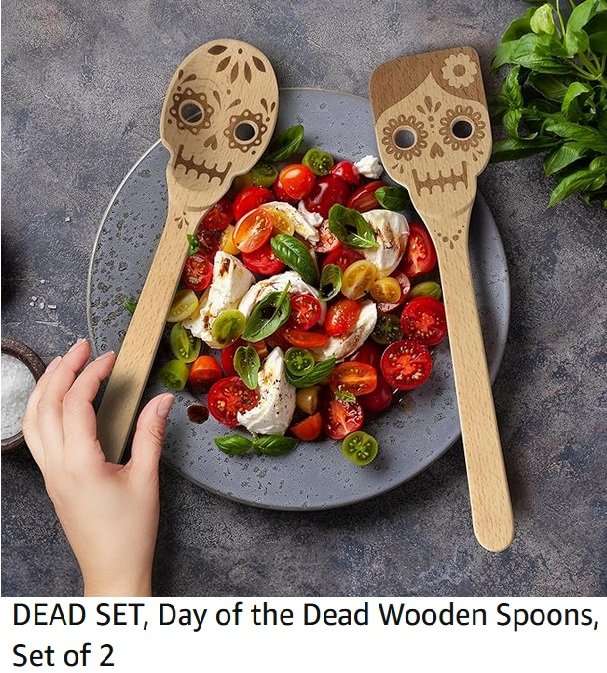
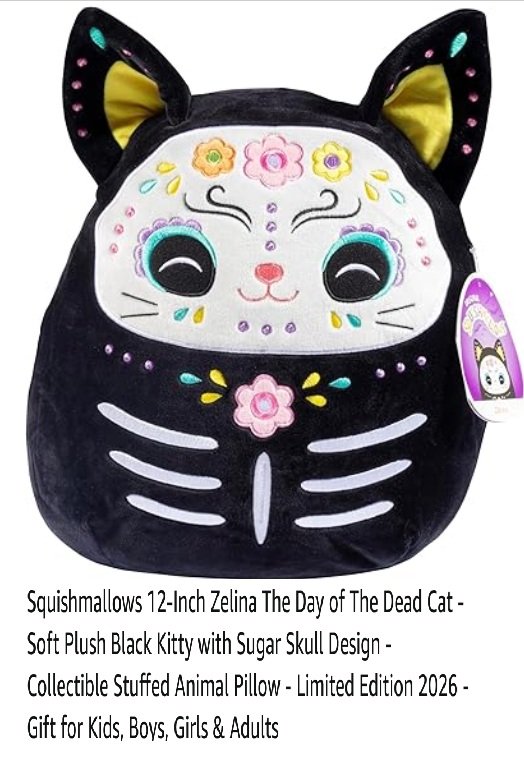
Sugar skulls, or calaveras, symbolize the acceptance of death as part of the human journey. Unlike grim skull imagery found in horror culture, Day of the Dead skulls are joyful, colorful, artistic, and filled with personality.
Decorated with flowers, bright paint, hearts, glitter, and names, sugar skulls remind us that remembrance keeps the spirit alive.
For gothic and haunted design enthusiasts, sugar skull imagery creates a unique balance of elegance and mortality.
La Catrina: Beauty Beyond the Grave
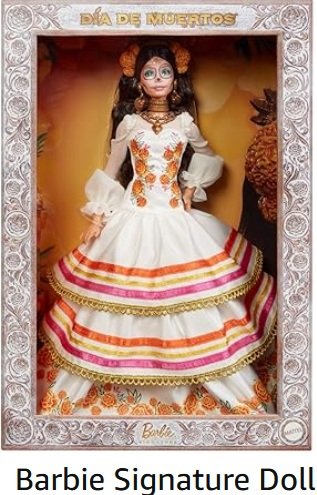
Perhaps no image represents Día de los Muertos more powerfully than La Catrina, the elegantly dressed skeletal woman often portrayed wearing elaborate hats and gowns.
La Catrina symbolizes the idea that death comes for everyone equally, regardless of wealth or social status.
Today, she has become an icon of:
- Mexican cultural identity
- Gothic fashion
- Spiritual beauty
- Elegant haunted aesthetics
- Artistic self-expression
Her image blends mystery, sophistication, and timeless beauty into one unforgettable symbol.
The Mystical Atmosphere of Day of the Dead Design
The visual world of Día de los Muertos inspires artists, filmmakers, haunted attractions, and decorators because it combines emotional storytelling with dramatic imagery.
Popular haunted Day of the Dead design elements include:
- Black lace and gothic fabrics
- Antique candle holders
- Weathered cemetery textures
- Skeleton portraits and murals
- Warm amber lighting
- Victorian-inspired décor
- Marigold flower installations
The combination creates spaces that feel mysterious, sacred, nostalgic, and emotionally powerful.
Remembering the Forgotten Souls
At its deepest level, Día de los Muertos is about refusing to let loved ones disappear into silence. It teaches that memory has power and that love can continue even after death.
Families gather to tell stories, share meals, laugh, cry, and celebrate the lives of those who came before them. Through remembrance, the forgotten are remembered once more.
This emotional connection is what makes the holiday feel both haunting and healing at the same time.
Respecting the Tradition
While Día de los Muertos aesthetics are visually inspiring, it is important to approach the tradition with respect and understanding. The holiday is deeply meaningful to millions of people and should not be reduced to simple horror imagery.
The beauty of Day of the Dead comes from its balance of mystery, spirituality, family, art, and remembrance.
Final Thoughts
“Haunted Altars and Forgotten Souls” captures the emotional spirit of Día de los Muertos—a celebration where candlelight glows against darkness and memory bridges the worlds of the living and the dead.
For HauntedDesigns.com, the holiday offers extraordinary inspiration through sacred altars, marigolds, sugar skulls, candlelit cemeteries, and gothic elegance rooted in ancient tradition.
Día de los Muertos reminds us that while life may fade, love and memory continue to whisper beyond the veil.
Day Of The Dead Related Articles