


Click Here To Watch Video
As the sun disappears behind ancient cemeteries and thousands of candles begin to flicker in the darkness, Mexico’s Día de los Muertos transforms into something unforgettable. The scent of marigolds drifts through the air. Shadows dance across gravestones. Families gather beside glowing altars. And according to tradition, the spirits of the dead begin their journey home.
Known around the world as the Day of the Dead, this sacred celebration blends remembrance, spirituality, beauty, and mystery into one of the most hauntingly atmospheric traditions ever created.
For HauntedDesigns.com, the darker and more mystical side of Día de los Muertos offers rich inspiration filled with ghost stories, candlelit rituals, gothic beauty, and emotional symbolism.
The Thin Veil Between Worlds
One of the most fascinating beliefs connected to Day of the Dead is the idea that the barrier between the living and the dead becomes thin during the celebration. Families believe the souls of loved ones are allowed to return home for a brief reunion.
This spiritual belief transforms ordinary spaces into sacred places:
- Homes become welcoming gateways for spirits
- Cemeteries glow with candlelight
- Altars serve as bridges between worlds
- Marigold petals guide wandering souls
The result is an atmosphere that feels both comforting and deeply haunted.
Marigolds: Flowers of the Dead
The bright orange marigold, called cempasúchil in Mexico, is one of the most important symbols of Día de los Muertos. Ancient traditions teach that the flower’s vivid color and strong fragrance help guide spirits back to the living world.
Entire pathways of marigold petals are sometimes created from doorways to altars or gravesites, forming glowing roads for returning souls.
At night, the flowers seem almost supernatural beneath candlelight—golden against the darkness, alive with color while surrounded by silence and memory.
Candlelight in the Cemetery
Perhaps the most haunting image associated with Day of the Dead is the candlelit cemetery.
Families gather after sunset to clean graves, decorate headstones, pray, share meals, and remember loved ones. Hundreds or even thousands of candles illuminate the darkness, creating an unforgettable atmosphere where grief and celebration exist together.
The scene can feel almost dreamlike:
- Soft prayers echo through the night
- Incense smoke drifts between graves
- Marigold petals glow beneath moonlight
- Photographs stare silently from altars
- Music rises softly from distant gatherings
For many visitors, these moments feel deeply spiritual and emotionally overwhelming.
The Ghost Stories Behind Día de los Muertos
Because Day of the Dead centers around returning spirits, ghost stories naturally surround the celebration. Across Mexico, generations have passed down tales of mysterious encounters during Día de los Muertos nights.
Some stories describe:
- Footsteps heard near family altars
- Flickering candles moving on their own
- Strange shadows crossing cemeteries
- The scent of flowers appearing unexpectedly
- Dreams and visions of deceased relatives
Whether viewed as spiritual experiences or folklore, these stories add to the haunting mystery of the celebration.
Ofrendas: Sacred Altars for the Returning Dead
At the center of Día de los Muertos traditions is the ofrenda, or altar. These sacred displays are created to welcome returning spirits with love and hospitality.
A traditional altar may include:
- Photographs of the deceased
- Lit candles
- Marigold flowers
- Sugar skulls
- Water and food offerings
- Religious symbols
- Personal belongings
To outsiders, the altars may appear hauntingly beautiful—filled with flickering light, ancient symbolism, and quiet emotion.
Sugar Skulls and the Acceptance of Mortality
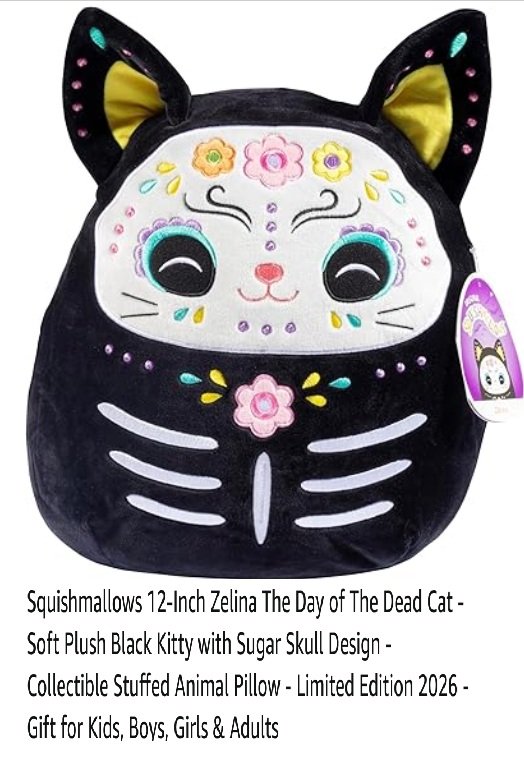
Sugar skulls, or calaveras, symbolize the idea that death is part of life’s natural journey. Decorated with bright colors, flowers, and patterns, these skulls are not meant to frighten people.
Instead, they remind families to celebrate life, cherish memory, and honor those who have passed on.
For gothic and haunted design enthusiasts, sugar skull imagery creates a perfect balance between beauty and mortality.
La Catrina: The Elegant Spirit of Death
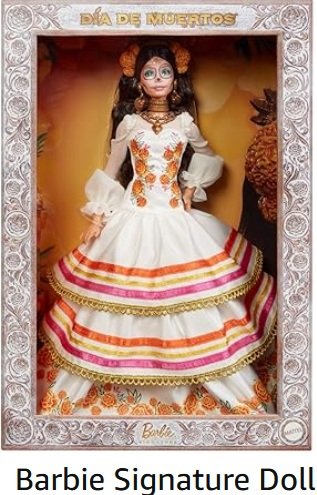
One of the most iconic figures associated with Day of the Dead is La Catrina, the elegant skeletal woman dressed in elaborate hats and fine clothing.
La Catrina represents the idea that death comes equally for everyone regardless of wealth or social status. Her image blends elegance with eerie beauty, making her one of the most recognizable symbols in haunted Mexican art and gothic design.
Today, La Catrina appears in:
- Murals
- Fashion photography
- Costumes
- Haunted décor
- Wall art
- Festival displays
The Sounds and Atmosphere of the Night
The haunted side of Day of the Dead is not only visual—it is deeply atmospheric. The sounds of the celebration create emotional intensity:
- Church bells echoing in the distance
- Traditional music floating through candlelit streets
- Soft conversations among families
- Rustling marigold petals in the wind
- Quiet moments of remembrance
The atmosphere feels suspended between celebration and the supernatural.
Why the Haunted Side of Day of the Dead Fascinates People
People are drawn to the haunting beauty of Día de los Muertos because it confronts death in a different way. Instead of hiding from mortality, the celebration embraces it with art, light, flowers, stories, and remembrance.
The holiday transforms cemeteries into glowing sanctuaries and turns grief into visual beauty. It creates a rare emotional experience that feels mysterious, sacred, nostalgic, and comforting all at once.
Gothic Inspiration for Haunted Design
The haunting imagery of Day of the Dead has heavily influenced gothic décor and haunted design culture. Popular design inspirations include:
- Candlelit altar displays
- Victorian-style skeleton portraits
- Marigold flower arches
- Antique cemetery aesthetics
- Decorative sugar skull art
- Dark lace and warm amber lighting
These elements create dramatic environments filled with emotional storytelling and spiritual mystery.
Respecting the Tradition
While the haunted side of Day of the Dead is visually captivating, it is important to remember that Día de los Muertos is a deeply meaningful cultural and spiritual tradition.
Its symbols are rooted in remembrance, family, love, and ancestral connection—not simple horror entertainment. Respectful design and storytelling honor the emotional beauty at the heart of the celebration.
Final Thoughts
“Marigolds, Candles, and Ghost Stories” captures the haunting atmosphere that makes Día de los Muertos unlike any other celebration in the world.
Through glowing candles, flower-covered graves, sacred altars, ghostly legends, and spiritual remembrance, Day of the Dead transforms fear into beauty and memory into art.
For HauntedDesigns.com, the holiday offers endless inspiration for gothic décor, haunted visual storytelling, emotional design, and mysterious atmosphere filled with meaning beyond the veil.
Day Of The Dead Related Articles