

Mexico’s Day of the Dead, known as Día de los Muertos, is one of the world’s most visually powerful and spiritually meaningful celebrations. It is not simply a holiday about death. It is a beautiful remembrance of life, family, ancestry, love, and the mysterious connection between the living and those who have passed beyond the veil.
HauntedDesigns.com presents Day of the Dead, we offer rich inspiration: glowing candles, decorated skulls, marigold pathways, shadowy cemeteries, painted faces, handmade altars, and sacred symbols that feel both haunting and comforting. The mood is not horror in the traditional sense. It is spiritual, emotional, historic, colorful, and deeply human.
The Ancient Roots of Día de los Muertos
The traditions of Mexico’s Day of the Dead reach back hundreds, and in some ways thousands, of years. Long before the modern holiday, Indigenous cultures in Mexico honored the dead with rituals, offerings, food, flowers, and symbolic objects. These ancient beliefs taught that death was not an ending, but a continuation of the soul’s journey.
When Spanish Catholic traditions arrived, Indigenous remembrance rituals blended with All Saints’ Day and All Souls’ Day. Over time, this created the unique celebration now recognized as Día de los Muertos. Today, it is most commonly observed on November 1 and November 2, when families welcome the spirits of loved ones home.
What Does Day of the Dead Mean?
At its heart, Day of the Dead is about memory. Families believe that the souls of the departed return to visit the living for a short time. Rather than fearing this return, families prepare for it with love. They clean graves, build altars, cook favorite foods, light candles, and decorate with flowers.
The celebration reminds us that people live on through stories, photographs, traditions, and the love they leave behind. In this way, Día de los Muertos turns grief into art and mourning into celebration.
The Ofrenda: A Sacred Altar of Memory
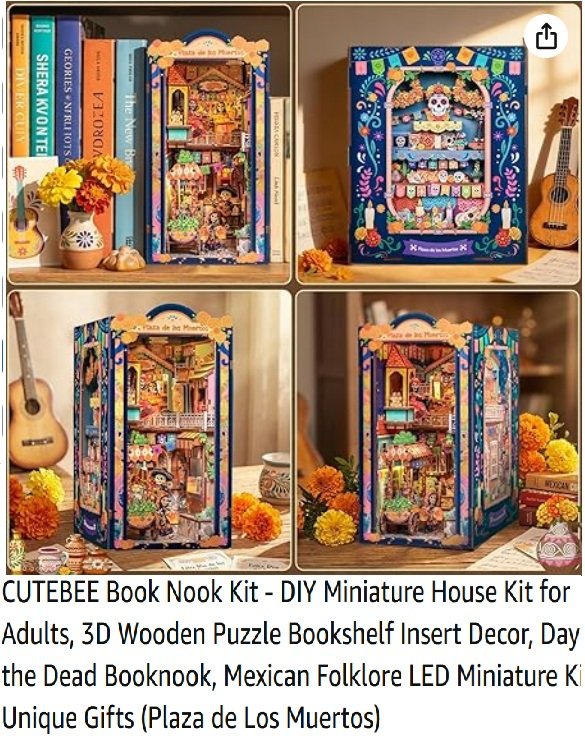
One of the most important Day of the Dead traditions is the ofrenda, or altar. An ofrenda is created to welcome spirits back to the world of the living. It often includes photographs, candles, food, drinks, flowers, religious items, incense, and personal objects that belonged to the person being remembered.
Every item on the altar has meaning. Candles help guide the souls home. Water refreshes them after their journey. Food represents hospitality and love. Photographs identify the honored loved ones. The altar becomes a bridge between this world and the spirit world.
Marigolds: The Flowers That Guide the Dead
Bright orange marigolds, often called cempasúchil, are among the most iconic symbols of Día de los Muertos. Their vivid color and strong fragrance are believed to help guide spirits back to their families.
Marigold petals are sometimes scattered from the doorway to the altar, creating a glowing path for returning souls. Visually, this tradition is perfect for haunted and gothic design inspiration: golden petals against dark night, candlelight flickering over family photos, and a pathway that feels both earthly and supernatural.
Sugar Skulls and the Beauty of Mortality
Sugar skulls are another famous symbol of Mexico’s Day of the Dead. These decorated skulls may look playful, colorful, or even elegant, but they carry a powerful message: death is part of life.
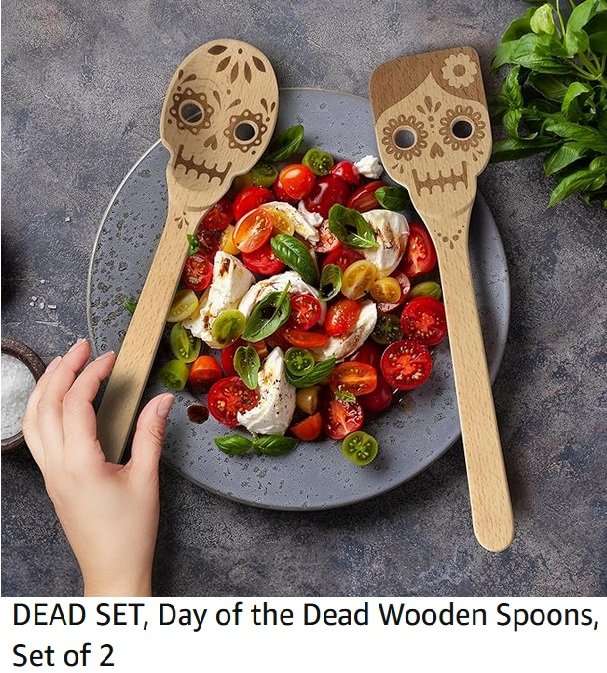
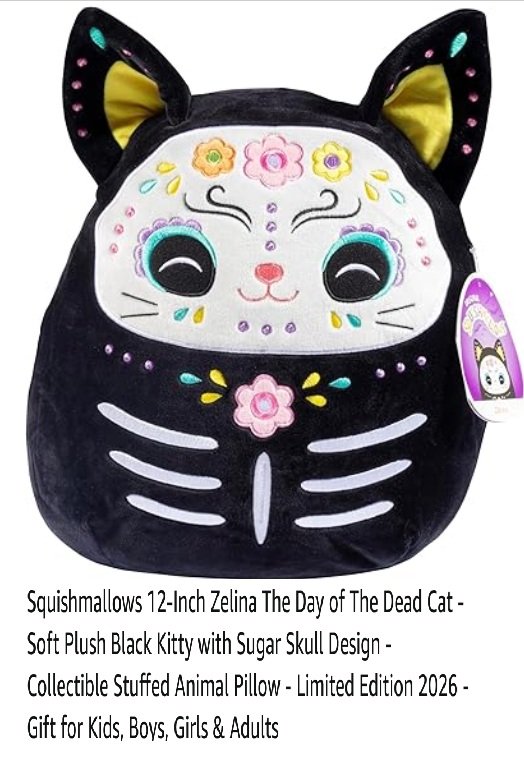
Unlike frightening skull imagery, Day of the Dead skulls are often cheerful and beautifully adorned. They can include flowers, patterns, names, bright colors, and decorative details. They remind us that death should not erase joy, personality, or memory.
La Catrina: The Elegant Face of Día de los Muertos
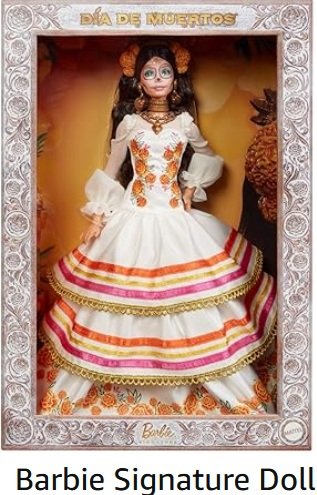
La Catrina, the elegant skeletal woman often shown wearing a grand hat or formal dress, has become one of the most recognizable figures connected to Day of the Dead art. She represents the idea that death comes for everyone, rich or poor, powerful or humble.
In design, La Catrina offers powerful visual inspiration. Her image can be graceful, mysterious, vintage, romantic, gothic, or theatrical. She is a reminder that beauty and mortality can exist side by side.
Day of the Dead and Haunted Design Inspiration
For artists, decorators, and haunted design lovers, Día de los Muertos offers a rich visual language. The celebration combines deep emotion with striking imagery. Some design elements inspired by Day of the Dead include:
- Marigold garlands and petal pathways
- Candlelit altars with framed photographs
- Decorative skulls with floral patterns
- Black lace, papel picado, and vintage textures
- Gothic cemetery scenes with warm golden light
- La Catrina-inspired portraits and wall art
- Deep purple, orange, gold, red, black, and white color palettes
The best Day of the Dead-inspired designs should be created with respect. This is not just a spooky theme. It is a sacred cultural tradition rooted in remembrance, family, and love.
Why Día de los Muertos Feels Both Haunted and Healing
Day of the Dead has a haunting atmosphere because it invites us to think about spirits, cemeteries, candles, skulls, and the unseen world. But it is also healing because it teaches that remembrance keeps love alive.
The holiday does not hide from death. Instead, it decorates it, honors it, speaks to it, and welcomes it as part of the human story. This is what makes Día de los Muertos so powerful for both cultural study and haunted design inspiration.
Final Thoughts
“Whispers Beyond the Veil” is more than a poetic phrase. It captures the feeling at the heart of Mexico’s Day of the Dead: the sense that memory can cross distance, love can outlast death, and the spirits of those we cherish are never truly gone.
For HauntedDesigns.com, Día de los Muertos offers endless creative inspiration—candlelit altars, marigold paths, sugar skulls, elegant skeletons, and spiritual beauty wrapped in mystery. It is haunted, but not hopeless. It is mysterious, but not dark. It is a celebration of life glowing softly in the presence of death.
Day Of The Dead Related Articles