
Mexico’s Día de los Muertos, or Day of the Dead, has become one of the most visually influential cultural celebrations in modern art and design. Its glowing candles, flower-covered altars, sugar skulls, elegant skeletons, and candlelit cemeteries have inspired haunted attractions, gothic interiors, theatrical productions, seasonal décor, photography, and immersive event design around the world.
For HauntedDesigns.com, Day of the Dead provides a rich source of inspiration that combines mystery, spirituality, beauty, and emotional storytelling. Unlike traditional horror themes focused purely on fear, Día de los Muertos creates atmosphere through remembrance, symbolism, and haunting elegance.
Why Day of the Dead Aesthetics Are So Powerful
The visual style of Día de los Muertos stands apart because it balances darkness with warmth and mortality with celebration. The imagery feels haunted yet alive with color and emotion.
Some of the most recognizable visual elements include:
- Marigold flower pathways
- Candlelit altars
- Decorative sugar skulls
- Elegant skeletal figures
- Vintage cemetery scenes
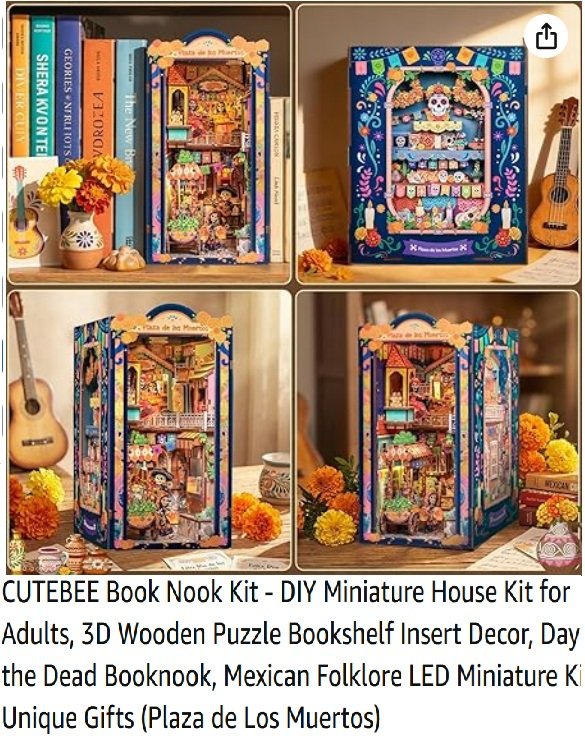
- Papel picado banners
- Warm golden lighting
Together, these elements create a deeply atmospheric style that translates perfectly into modern haunted and gothic design.
Day of the Dead and Modern Haunted Houses
Many haunted houses and seasonal attractions now draw inspiration from Día de los Muertos because of its dramatic visual storytelling. Instead of relying entirely on jump scares, Day of the Dead-inspired haunted attractions focus on mood, mystery, symbolism, and immersive environments.
Popular haunted house design ideas inspired by Día de los Muertos include:
- Candlelit graveyards covered in marigolds
- Skeleton musicians and ghostly performers
- Massive sugar skull displays
- Fog-filled cemetery pathways
- Ancient altar rooms glowing with candles
- Victorian-style La Catrina characters
- Shadowy spirit corridors decorated with papel picado
The result is a haunted experience that feels artistic and emotional rather than simply terrifying.
Creating Atmosphere With Candlelight
Lighting is one of the most important elements borrowed from Day of the Dead traditions. Candlelight creates warmth, mystery, and spiritual depth that modern haunted design often struggles to achieve with harsh lighting effects alone.
Many designers recreate this atmosphere using:
- Clusters of flickering candles
- Amber LED lanterns
- Low golden lighting
- Shadow-focused room design
- Backlit skull displays
- Glowing altar scenes
The goal is to create environments that feel timeless, sacred, and emotionally haunting.
Sugar Skull Art in Gothic Design
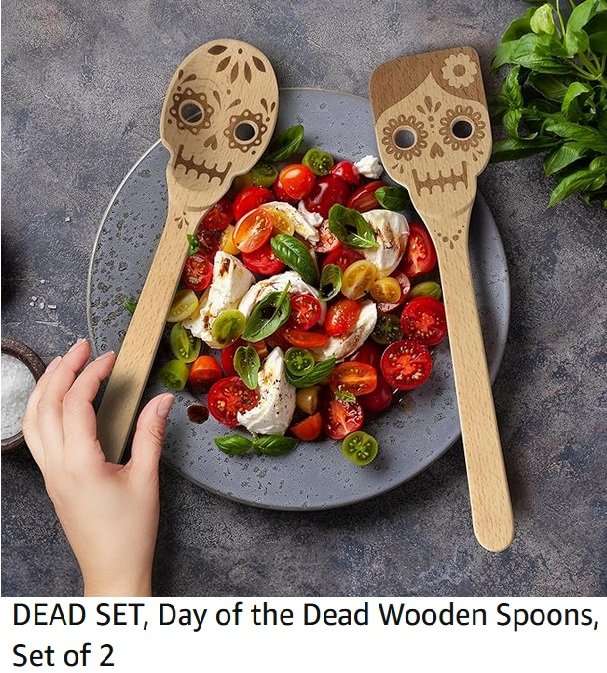
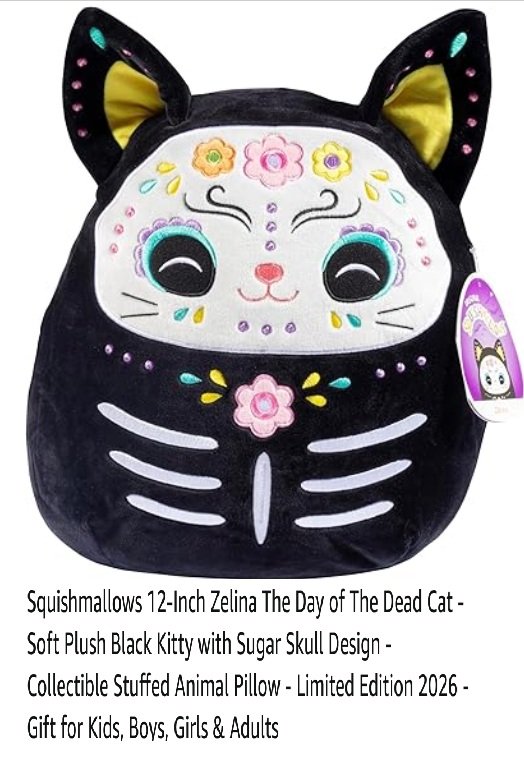
Sugar skulls, or calaveras, have become iconic in modern gothic design culture. Their decorative patterns, floral details, and symbolic connection to mortality make them perfect for artistic haunted aesthetics.
Modern gothic sugar skull design appears in:
- Wall murals
- Halloween displays
- Fashion and makeup
- Tattoo art
- Furniture accents
- Photography themes
- Haunted attraction signage
Unlike traditional horror skull imagery, sugar skulls often feel elegant, colorful, and emotionally expressive.
La Catrina and Gothic Elegance
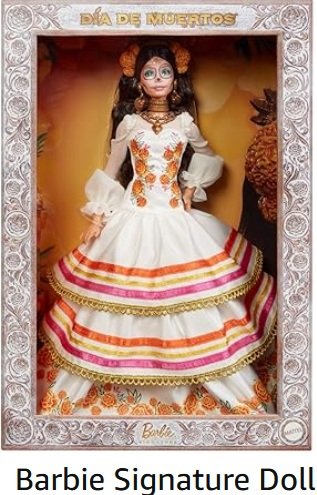
One of the most influential figures in haunted and gothic design inspired by Día de los Muertos is La Catrina, the elegantly dressed skeletal woman associated with the holiday.
La Catrina blends beauty with mortality in a way that perfectly fits gothic aesthetics. Her dramatic hats, floral crowns, lace dresses, and skeletal face create a timeless visual style filled with mystery and sophistication.
Today, La Catrina inspires:
- Costume design
- Haunted attraction characters
- Portrait artwork
- Event décor
- Gothic fashion photography
- Theatrical makeup styles
Marigolds and Floral Horror Design
Marigolds are central to Day of the Dead tradition and have become one of the most recognizable visual inspirations for haunted design.
Their vivid orange glow creates dramatic contrast against dark environments, candlelight, and gothic textures.
Modern designers use marigolds in:
- Haunted garden pathways
- Altar centerpieces
- Skeleton floral crowns
- Cemetery scenes
- Wedding and event décor
- Photography sets
The flowers add warmth and beauty while maintaining the spiritual atmosphere associated with Día de los Muertos.
Gothic Interior Design Inspired by Día de los Muertos
Modern interior designers often borrow Day of the Dead aesthetics to create dramatic gothic spaces filled with texture, emotion, and artistic symbolism.
Popular interior design elements include:
- Black lace table coverings
- Antique candle holders
- Decorative skull sculptures
- Vintage cemetery artwork
- Dark floral arrangements
- Warm amber lighting
- Distressed wood textures
These design choices create interiors that feel cinematic, mysterious, and emotionally rich.
Immersive Storytelling Through Design
One reason Día de los Muertos inspires modern haunted attractions so effectively is because it naturally tells a story. The imagery suggests memory, spirit journeys, family history, love, grief, and reunion.
Rather than presenting random horror scenes, Day of the Dead-inspired environments often feel meaningful and emotionally layered.
Visitors may feel:
- Nostalgia
- Wonder
- Spiritual curiosity
- Emotional reflection
- A sense of mystery
This emotional depth makes the experience more memorable than traditional haunted décor alone.
The Influence of Day of the Dead on Pop Culture
Movies, television, fashion, and art have helped bring Día de los Muertos aesthetics into mainstream culture. The visual style now appears in:
- Theme park attractions
- Seasonal festivals
- Music videos
- Art galleries
- Cosplay and fashion events
- Photography exhibitions
Its popularity continues to grow because the imagery feels visually rich, emotionally powerful, and culturally meaningful.
Respecting the Cultural Tradition
While Day of the Dead aesthetics strongly influence haunted design, it is important to approach the tradition with respect and understanding.
Día de los Muertos is not simply a horror theme or Halloween trend. It is a sacred cultural celebration rooted in family remembrance, spirituality, and ancestral connection.
The best modern designs inspired by Day of the Dead honor its emotional depth rather than reducing it to generic spooky imagery.
Final Thoughts
Mexico’s Day of the Dead has transformed modern haunted house and gothic design by introducing a visual language filled with warmth, mystery, symbolism, and beauty.
Through candlelit altars, marigold pathways, sugar skull artwork, elegant skeletal figures, and emotionally charged atmosphere, Día de los Muertos continues to inspire artists, decorators, haunted attractions, and designers around the world.
For HauntedDesigns.com, the holiday represents the perfect fusion of gothic elegance, haunted storytelling, and spiritual artistry—where memory glows softly through the darkness and beauty lives beyond the veil.
Day Of The Dead Related Articles