

Click Here To Watch Video
Few symbols are as visually striking or culturally meaningful as the sugar skulls seen during Mexico’s Día de los Muertos, or Day of the Dead celebrations. Decorated with bright colors, flowers, patterns, candles, and names, these artistic skulls have become one of the most recognizable images associated with the holiday.
To some people, sugar skulls may appear spooky or mysterious. But in reality, they carry a deeply spiritual message rooted in remembrance, love, family, and the acceptance of mortality.
For HauntedDesigns.com, sugar skulls offer a perfect blend of haunting beauty, gothic elegance, artistic symbolism, and emotional storytelling.
What Are Sugar Skulls?
Sugar skulls, known in Spanish as calaveras de azúcar, are decorative skulls traditionally made from sugar, icing, and colorful embellishments. They are commonly displayed during Day of the Dead celebrations on altars known as ofrendas.
These skulls are not meant to frighten people. Instead, they are joyful artistic tributes to loved ones who have passed away.
Some sugar skulls include the name of the deceased written across the forehead, transforming the decoration into a personal symbol of remembrance.
The Ancient Origins of Skull Symbolism
The use of skull imagery in Mexican spiritual traditions dates back thousands of years to ancient Indigenous civilizations such as the Aztecs. These cultures viewed death not as an ending, but as part of a continuing spiritual journey.
Skulls symbolized:
- The cycle of life and death
- Human mortality
- Spiritual transformation
- The eternal nature of the soul
When Spanish colonial influences introduced sugar art techniques to Mexico, these traditions evolved into the colorful sugar skulls associated with modern Día de los Muertos celebrations.
The Spiritual Meaning Behind Sugar Skulls
At the heart of sugar skull symbolism is the belief that death should not be feared. Instead of representing horror or darkness, sugar skulls celebrate life, memory, and spiritual continuity.
Their bright colors and artistic patterns remind people that loved ones remain spiritually present through stories, traditions, and remembrance.
In many ways, sugar skulls transform mortality into beauty.
Why Sugar Skulls Are Colorful
Unlike traditional skull imagery often associated with fear, Day of the Dead skulls are intentionally colorful and decorative.
The vibrant colors symbolize:
- Joyful remembrance
- Celebration of life
- Spiritual energy
- Family connection
- Creative expression
Flowers, hearts, swirls, candles, glitter, and painted details turn the skull into a work of art rather than a symbol of terror.
Sugar Skulls on the Ofrenda
Sugar skulls are commonly placed on the ofrenda, the sacred altar created during Día de los Muertos celebrations.
The altar serves as a spiritual bridge between the living and the dead. Families decorate these altars with:
- Photographs of loved ones
- Candles
- Marigold flowers
- Favorite foods and drinks
- Religious items
- Sugar skulls
Each item on the altar carries emotional and symbolic meaning, welcoming returning spirits home with love and hospitality.
The Meaning of Names on Sugar Skulls
One unique tradition involves writing names on sugar skulls. These names may belong to deceased loved ones being honored during the celebration.
In some playful traditions, living family members may also receive decorative sugar skulls with their names written on them as a reminder that life is temporary and should be appreciated.
This custom reflects the Day of the Dead philosophy of accepting mortality with humor, love, and spiritual understanding.
Sugar Skulls and Gothic Design
The visual beauty of sugar skulls has strongly influenced gothic and haunted design culture. Their intricate patterns, dramatic shapes, and emotional symbolism create stunning artistic inspiration.
Modern gothic sugar skull art often includes:
- Black lace details
- Dark floral patterns
- Victorian-inspired styling
- Metallic gold accents
- Candlelit backgrounds
- Antique textures
This combination creates artwork that feels elegant, mysterious, and spiritually rich.
The Role of Marigolds and Candles
Sugar skulls are often displayed alongside marigolds and candles, two other powerful Day of the Dead symbols.
Marigolds, known as cempasúchil, are believed to guide spirits home with their bright color and fragrance. Candles symbolize spiritual light and guidance.
Together, these elements create the hauntingly beautiful atmosphere associated with Día de los Muertos.
La Catrina and the Celebration of Mortality
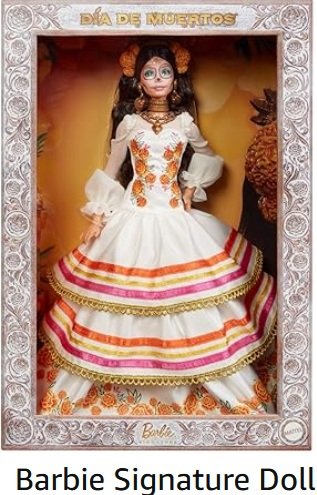
Another famous Day of the Dead symbol connected to sugar skull imagery is La Catrina, the elegantly dressed skeletal woman often seen in artwork and celebrations.
La Catrina reminds people that death comes for everyone equally, regardless of wealth or status. Like sugar skulls, her image transforms mortality into art and beauty.
Today, La Catrina influences:
- Fashion
- Photography
- Makeup artistry
- Haunted décor
- Gothic wall art
- Festival costumes
Why Sugar Skulls Fascinate People Worldwide
People around the world are drawn to sugar skull imagery because it presents death in a different way. Rather than focusing on fear, the art celebrates memory, family, creativity, and spiritual continuity.
The combination of beauty and mortality creates emotional depth rarely found in traditional horror imagery.
For many artists and designers, sugar skulls symbolize:
- Transformation
- Remembrance
- Spiritual mystery
- The celebration of life
- The connection between worlds
Respecting the Tradition
While sugar skull imagery is visually inspiring, it is important to remember that Día de los Muertos is a sacred cultural tradition deeply connected to family remembrance and spiritual belief.
Respectful art and design should honor the emotional meaning behind the symbols rather than treating them as generic Halloween decorations.
The beauty of sugar skulls comes from their connection to memory, ancestry, and love beyond death.
Final Thoughts
The spiritual meaning of sugar skulls goes far beyond decoration. These colorful symbols represent remembrance, transformation, acceptance, and the belief that loved ones continue to live on through memory and spirit.
For HauntedDesigns.com, sugar skulls provide endless inspiration for gothic décor, haunted artistry, emotional storytelling, and spiritually inspired design.
Through candles, marigolds, altars, and beautifully decorated skulls, Día de los Muertos reminds us that while life may be temporary, love and memory never truly disappear.
Day Of The Dead Related Articles